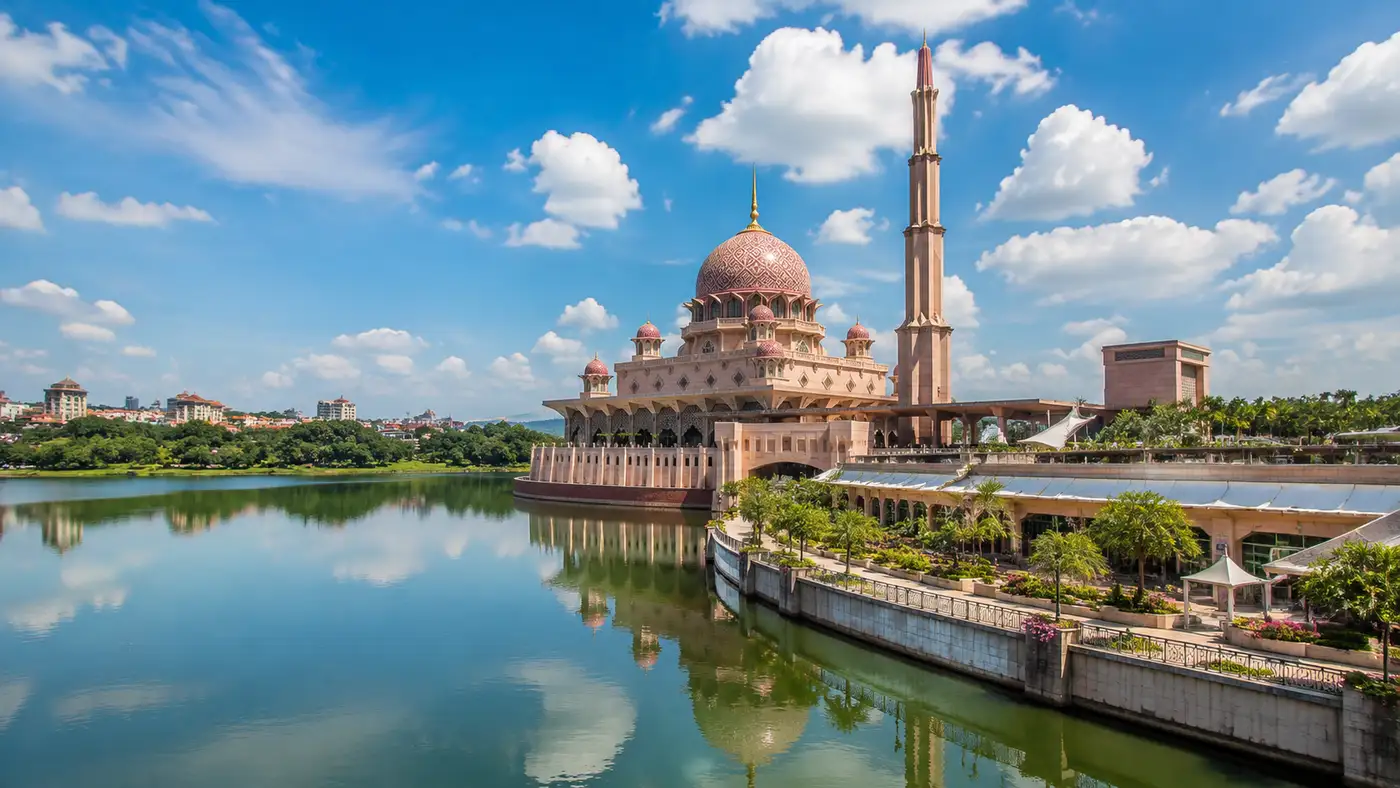
History of Putra Mosque
Visiting Putrajaya, you can't miss the Putra Mosque. It dominates the city's skyline with its striking rose-tinted dome, a truly iconic structure. This place isn't just a building; it tells a story, a deep and interesting tale that intertwines with the very fabric of Malaysia's administrative capital. Understanding the full putra mosque history helps you appreciate its grandeur and significance far beyond just its pretty facade. This article digs into the backstory, from the initial vision for Putrajaya itself to the architectural choices and the actual construction of the mosque. We will uncover the influences that shaped its design, the timeline of its creation, and how it came to stand as such a prominent landmark in modern Malaysia. It is a story of ambition, culture, and faith, all rolled into one magnificent structure.Book your Putra Mosque experience:
The Genesis of Putrajaya and its Grand Mosque
Malaysia in the 1990s was a nation on the rise, experiencing rapid growth and development. The bustling capital of Kuala Lumpur, while vibrant, was becoming increasingly congested, making it difficult for the government to expand its administrative functions efficiently. This led to a bold vision: the creation of an entirely new federal administrative capital. Dr. Mahathir Mohamad, then Prime Minister, championed this ambitious project. He envisioned a garden city, meticulously planned and integrated with modern technology, yet still deeply rooted in Malaysian and Islamic values. This new city was named Putrajaya, a portmanteau of "Putra" (after Malaysia's first Prime Minister, Tunku Abdul Rahman Putra Al-Haj) and "Jaya" (meaning "success" or "victory"). It was crucial that this new capital not only functioned efficiently but also possessed strong national identity and spiritual heart. Therefore, a grand mosque was an integral part of the master plan from the very beginning. It needed to be more than just a place of worship; it had to symbolize the nation's progress, its Islamic heritage, and its forward-looking aspirations. The decision to build a monumental mosque at the city's core was a statement, a declaration of faith and national pride.Architectural Vision and Design Influences
The design for the Putra Mosque was not taken lightly. Architects were tasked with creating a structure that would be both functional and visually stunning, reflecting Malaysia's unique blend of tradition and modernity. They drew inspiration from a rich tapestry of Islamic architectural styles, carefully weaving them together with local Malaysian elements. The result is a harmonious fusion, recognizable yet distinct. One of the most striking features is its rose-tinted granite, which gives the mosque its iconic pink hue. This material choice wasn't arbitrary; it was selected to evoke a sense of warmth and elegance, distinguishing it from other grand mosques in the region. The design team looked to classic Safavid architecture from Persia, Mamluk architecture from Egypt, and traditional Malay design cues. You can see these influences in the intricate patterns, the robust arches, and the overall symmetry of the complex. The main prayer hall, for instance, is supported by 12 columns, and its interior is a breathtaking display of exquisite craftsmanship, featuring delicate calligraphy and geometric motifs. If you are interested in more details about the intricate patterns and influences, you might enjoy reading our article on Putra Mosque Architecture & Design.Pro tip: Try to observe the mosque from different vantage points around Putrajaya Lake. The reflections on the water, especially at dawn or dusk, offer unique perspectives on its architectural details and color palette. It really changes with the light.
Construction and the Road to Completion
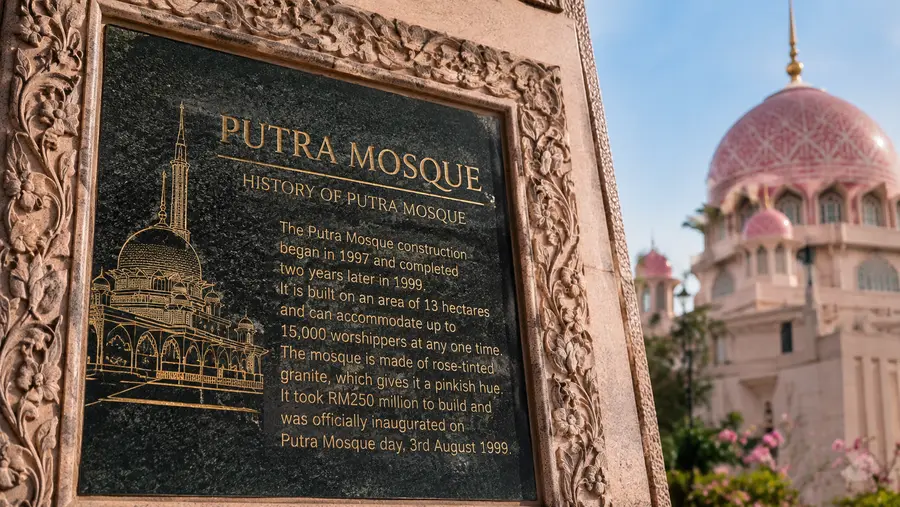
The construction of the Putra Mosque was a massive undertaking, requiring significant resources and skilled labor. Ground was broken in 1997, and the project moved at an impressive pace, aiming for completion before the turn of the millennium. Building such a grand structure in a newly developing city presented its own set of challenges, from logistics to coordinating various specialized craftsmen. The mosque was designed to accommodate an astounding 15,000 worshippers at any given time, with the main prayer hall alone holding 8,000. This scale meant meticulous planning for everything from the foundation to the soaring minaret. The minaret itself stands at 116 meters tall, making it one of the tallest in the region. Its design is actually inspired by the Sheikh Omar Mosque in Baghdad, another nod to diverse Islamic architectural traditions. Workers carefully placed each piece of pink granite, ensuring the distinctive color and texture were consistent across the entire facade. It was honestly a monumental effort, completed in a relatively short period for a structure of its size and complexity. The total cost, though specific figures are sometimes debated, was certainly in the millions of Ringgit, a significant investment for the new capital.| Key Construction Milestones | Date / Period | Description |
|---|---|---|
| Groundbreaking | 1997 | Official start of construction for the mosque complex. |
| Main Structure Completion | Late 1998 | Structural work largely finished, focus shifted to interiors. |
| Inauguration | September 1, 1999 | Officially opened to the public and for prayers. |
| Full Operational Status | Late 1999 | All facilities fully functional, becoming a key landmark. |
Book your Putra Mosque experience:
Inauguration and Early Significance
The Putra Mosque officially opened its doors on September 1, 1999, a significant date for both Putrajaya and the nation. Its inauguration was a grand affair, marking a pivotal moment in the development of the new administrative capital. The mosque immediately became the spiritual heart of Putrajaya, hosting daily prayers, Friday congregations, and major Islamic festivals like Eid. Its presence instantly transformed the city's identity. Before the mosque, Putrajaya was still very much a construction site, a city in progress. The opening of the Putra Mosque gave it a distinct character, a spiritual anchor that resonated with the majority Muslim population of Malaysia. It wasn't long before it also began attracting visitors from around the globe, curious to witness its unique beauty and impressive scale. It quickly established itself not just as a place of worship but as a symbol of Malaysian ingenuity and commitment to its cultural and religious heritage. The early years saw it hosting various national and international Islamic events, solidifying its role on the global stage.Note: While the mosque is open to non-Muslim visitors, there are specific visiting hours and a dress code to observe. These rules ensure respect for the sanctity of the place, especially during prayer times.
Enduring Legacy and Modern Role in Putrajaya
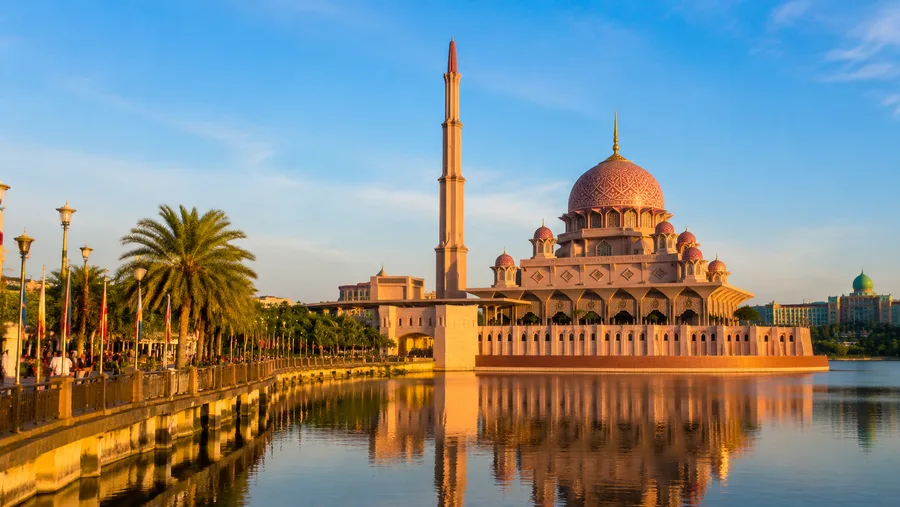
Today, more than two decades after its completion, the Putra Mosque remains an incredibly important landmark. It is not only a fully functioning mosque serving the local community and government officials who work in Putrajaya, but also a major tourist attraction. Thousands of people visit every year, drawn by its stunning architecture and serene lakeside setting. The mosque continues to play a vital role in Malaysia's national identity. Its image is often used in promotional materials for Putrajaya and the country as a whole, symbolizing Malaysia's progressive Islamic outlook. It stands as a testament to the vision of its founders, a blend of traditional values and modern aspirations. Maintenance is ongoing, ensuring the pink granite retains its glow and the intricate interiors remain pristine. It's a living, breathing part of the city, constantly adapting to the needs of its worshippers and the curious eyes of visitors. Honestly, I think it perfectly encapsulates the spirit of Putrajaya itself - a city built with purpose, beauty, and a clear sense of identity. If you're planning a visit, knowing a bit about its journey really makes the experience richer. You can find practical information about getting there and other details in our article on Getting to Putra Mosque.Frequently Asked Questions about putra mosque history
When was Putra Mosque built?
Construction for Putra Mosque began in 1997, and it was officially inaugurated on September 1, 1999.
Who commissioned the building of Putra Mosque?
The mosque was commissioned as part of the Putrajaya development project, championed by then Prime Minister Dr. Mahathir Mohamad, to serve as the spiritual heart of the new administrative capital.
What architectural styles influenced Putra Mosque's design?
Its design is a blend of traditional Islamic architectural styles, including Safavid (Persian) and Mamluk (Egyptian) influences, integrated with traditional Malay design elements.
Quick Reference
- Opened: September 1, 1999
- Capacity: 15,000 worshippers
- Minaret Height: 116 meters
- Location: Putrajaya Lake
- Primary Material: Rose-tinted granite
Book your Putra Mosque experience:
My Take on Putra Mosque's Enduring Story
The Putra Mosque is more than just a beautiful building; it's a piece of living history, a tangible representation of Malaysia's journey into the 21st century. Its story is one of vision, dedication, and a deep respect for cultural and religious heritage. Standing there, looking up at that massive pink dome, you can almost feel the ambition that went into creating Putrajaya. It’s a place that commands respect, not just for its religious significance, but for the sheer audacity of its creation. If you ever find yourself in Malaysia, take the time to visit; it really is an experience worth having, a chance to connect with a significant part of the nation's narrative.Read more about Putra Mosque.