Putra Mosque Architecture & Design
Stepping onto the grounds of Putra Mosque in Putrajaya feels like entering a different realm, a place where grand vision meets meticulous craftsmanship. The sheer scale and the distinctive pink hue immediately grab your attention, but it is the intricate details and thoughtful planning behind the entire structure that truly captivate. Exploring the putra mosque architecture offers a fascinating glimpse into a blend of traditional Islamic and local Malaysian design elements, creating something uniquely beautiful. This article delves into the various facets of its construction, from the iconic dome to the materials used and the clever ways it integrates with its stunning lakeside environment. We will look closely at what makes this mosque a modern marvel, examining its design philosophy and the cultural influences etched into its very foundations. You will learn about the specific features that make it so memorable for visitors from all over the world.Book your Putra Mosque experience:
The Iconic Putra Mosque Dome and Its Distinctive Color
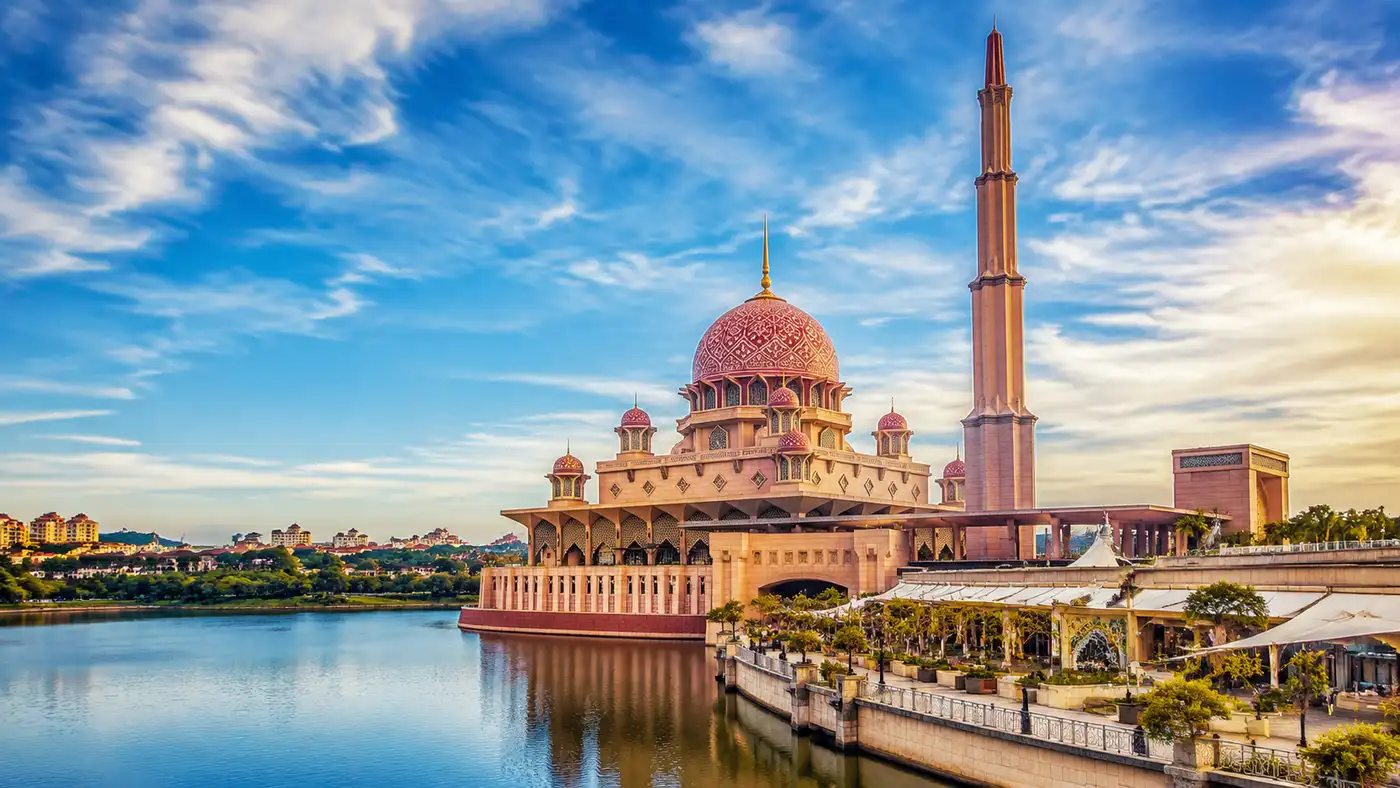
The most striking feature, the one that everyone remembers, is undoubtedly the main Putra Mosque dome. It dominates the skyline, a grand, rose-tinted spectacle against the often-blue Malaysian sky. The color, a soft pink, comes from the granite used in its construction, giving it a warmth and vibrancy that many other mosques lack. I think this choice of material was brilliant, honestly. It just makes the whole place feel welcoming, not just imposing. This massive dome, which reaches a height of 50 meters, draws inspiration from Persian Islamic architecture, particularly the Safavid era. You can see echoes of mosques in Isfahan, Iran, if you know what to look for, though it has a distinctly Malaysian twist. The scale alone is impressive, but the smooth, unadorned surface of the dome allows its color and form to speak volumes. It is not overly decorated, which I find refreshing. The simplicity is part of its elegance.Pro tip: For the best photos of the Putra Mosque dome, aim for late afternoon when the sun starts to dip. The changing light enhances the pink granite, making it glow with an almost ethereal quality, especially when reflected in the lake. Early morning also works, but the pink really pops later in the day.
Putra Mosque Putrajaya Architecture and Grand Scale
The entire Putra Mosque Putrajaya architecture is designed on a monumental scale, befitting its status as a significant landmark in Malaysia's administrative capital. It sits majestically on the shores of Putrajaya Lake, creating a breathtaking tableau that combines natural beauty with human ingenuity. The mosque's placement is strategic, offering panoramic views of the lake and the surrounding government buildings. You can even see the Seri Wawasan Bridge, a really cool cable-stayed bridge, from some angles. The design incorporates three main functional areas: the prayer hall, the Sahn (courtyard), and various learning facilities. These areas are seamlessly integrated, but each maintains its distinct purpose and architectural character. The Sahn, for example, is a large, open space, perfect for gathering before or after prayers. It is usually quite breezy there, which is a relief on a hot day. The mosque's minaret stands at 116 meters, making it one of the tallest in the region. Its design is actually quite unique, inspired by the Sheikh Omar Mosque in Baghdad. It is not just a tall tower; it has five distinct tiers, representing the Five Pillars of Islam. This is a detail I actually learned from a local guide, and it made me appreciate the thought put into every element.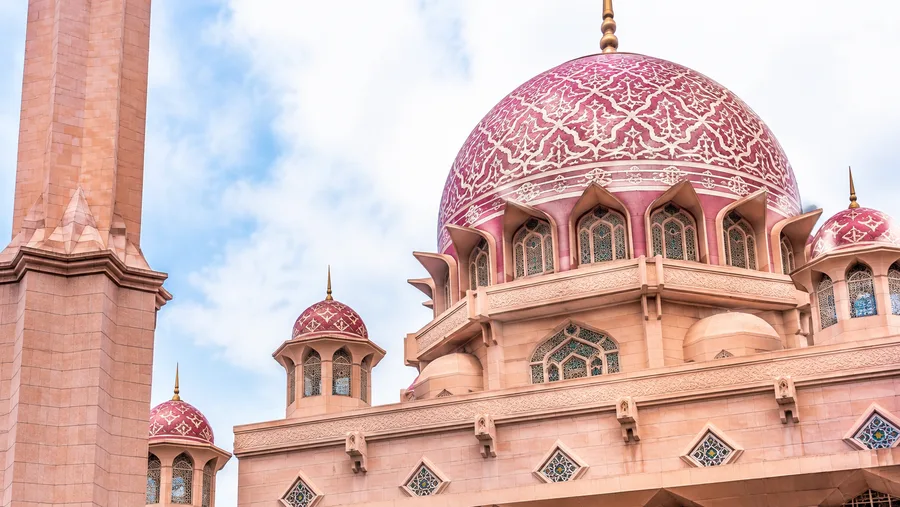
Interior Grandeur and Natural Ventilation Systems
Stepping inside the prayer hall is an experience in itself. The vastness of the space is immediately apparent, capable of accommodating 15,000 worshippers at once. The walls are adorned with intricate calligraphy and geometric patterns, a hallmark of Islamic art. You will find that the interior, while grand, feels surprisingly serene. The main prayer hall is supported by twelve massive columns, sometimes referred to as the putra mosque 12根柱子. These are not just structural elements; they are beautifully decorated, adding to the overall aesthetic. The craftsmanship on these columns is really something to see up close. Look for the delicate carvings and the way light plays off them. A particularly impressive aspect of the Putra Mosque architecture is its intelligent natural ventilation system, often referred to as the putra mosque 通风系统. Given Malaysia's tropical climate, keeping such a large space cool without excessive air conditioning was a major design challenge. The architects achieved this through clever use of high ceilings, strategically placed windows, and the mosque's lakeside location. Air currents are naturally drawn through the building, creating a comfortable environment even on warm days. It is surprisingly effective, honestly. I was there in July, and it felt fine.Note: While the natural ventilation system is very effective, visitors should still dress appropriately for the warm and humid Malaysian climate. Light, breathable clothing is always a good idea, and remember to adhere to the mosque's dress code for entry into the prayer areas.
Book your Putra Mosque experience:
Architectural Influences and Comparisons
The Putra Mosque's design is a rich tapestry of influences, primarily drawing from traditional Islamic architecture with a strong nod to Malaysian culture. While the main dome has Persian Safavid influences, other elements draw from Moroccan and even Mamluk architecture. It is a synthesis, not a direct copy. This blending of styles gives it a unique identity. Some visitors might wonder, is Putra Mosque same as Astaka Morocco? No, they are definitely not the same, though they both reside in Putrajaya and share some stylistic commonalities in terms of intricate Islamic design. Astaka Morocco, located in the Putrajaya Botanical Garden, is a pavilion specifically built to showcase Moroccan craftsmanship and architecture. It is much smaller and more focused on highly decorative elements typical of Moroccan palaces. The mosque, while beautiful, is a functional place of worship designed on a much grander scale with a broader array of influences. They are both worth seeing, just for different reasons. The use of local materials and traditional motifs, like songket patterns in some of the interior decor, firmly roots the mosque in Malaysian heritage. It is a testament to how modern architecture can respectfully integrate historical and cultural elements without feeling dated. The surrounding Putrajaya lake also plays a crucial role in its aesthetic, reflecting the mosque and creating stunning vistas.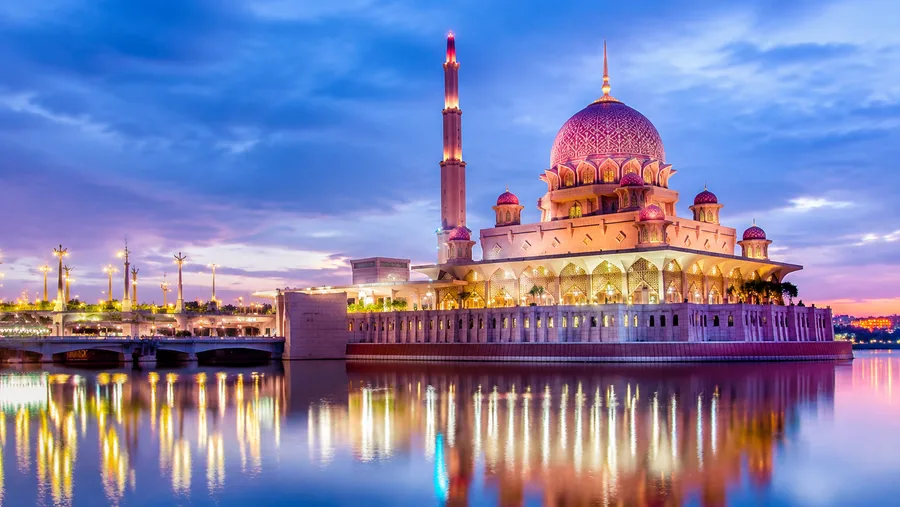
Materials, Craftsmanship, and the Lake at Putra Mosque
The construction of Putra Mosque involved a careful selection of materials, primarily granite for its durability and aesthetic appeal, especially for the distinct pink hue of the dome and exterior walls. Reinforced concrete forms the structural backbone, ensuring stability for such a large complex. What really stands out, though, is the attention to detail in the craftsmanship. You will notice intricate carvings on the wooden doors and panels, all done by skilled local artisans. The plasterwork inside is also incredibly detailed, featuring geometric patterns and Quranic verses. It is not just about the big, bold statements; the subtle, delicate touches are everywhere if you take the time to look. The lake at Putra Mosque is more than just a scenic backdrop; it is an integral part of the overall design. The mosque is often referred to as "The Pink Mosque" or "Floating Mosque" because of its position over the water. This gives it a sense of tranquility and reflects its grandeur, especially during sunrise or sunset. The tranquil waters of the lake enhance the mosque's beauty, providing a calm foreground to its imposing structure. This thoughtful integration with the natural environment is a key aspect of the entire Putrajaya master plan, not just the mosque itself.| Architectural Element | Key Characteristics | Primary Material |
|---|---|---|
| Main Dome | 50m height, Persian Safavid influence | Rose-tinted granite |
| Minaret | 116m height, Baghdad's Sheikh Omar Mosque inspiration, 5 tiers | Reinforced concrete, detailed facade |
| Prayer Hall | Capacity for 15,000, 12 supporting columns | Marble, intricate plasterwork |
| Sahn (Courtyard) | Open, expansive space for gatherings | Polished stone pavers |
Frequently Asked Questions about putra mosque architecture
What is the main inspiration for Putra Mosque's design?
The Putra Mosque's design draws inspiration primarily from Persian Islamic architecture, especially the Safavid era, combined with traditional Malaysian elements and some influences from Moroccan and Mamluk styles.
What makes the Putra Mosque dome pink?
The distinctive pink color of the Putra Mosque dome comes from the rose-tinted granite used in its construction. This material gives the dome its unique and memorable hue.
Does Putra Mosque have a special ventilation system?
Yes, Putra Mosque incorporates a natural ventilation system that utilizes high ceilings, strategic window placement, and its lakeside location to draw air currents through the building, keeping the vast prayer hall cool without relying heavily on air conditioning.
Quick Reference
- Main dome: 50m high, rose granite
- Minaret: 116m, 5 tiers
- Prayer hall capacity: 15,000
- Architectural influences: Persian, Malaysian, Moroccan
- Location: Putrajaya Lake shore
Book your Putra Mosque experience:
My Take on Putra Mosque's Design
Honestly, the Putra Mosque is more than just a place of worship; it is a masterpiece of modern Islamic architecture. The way it blends various historical influences with local Malaysian touches, all while sitting so elegantly by the lake, is truly impressive. Every visit reveals a new detail, a different angle of light on the rose-tinted dome, or a subtle carving you missed before. It is a testament to thoughtful design and meticulous execution, definitely worth taking the time to explore beyond just a quick photo stop.Read more about Putra Mosque.